Uncategorized

Difference Between Carnot and Rankine cycle
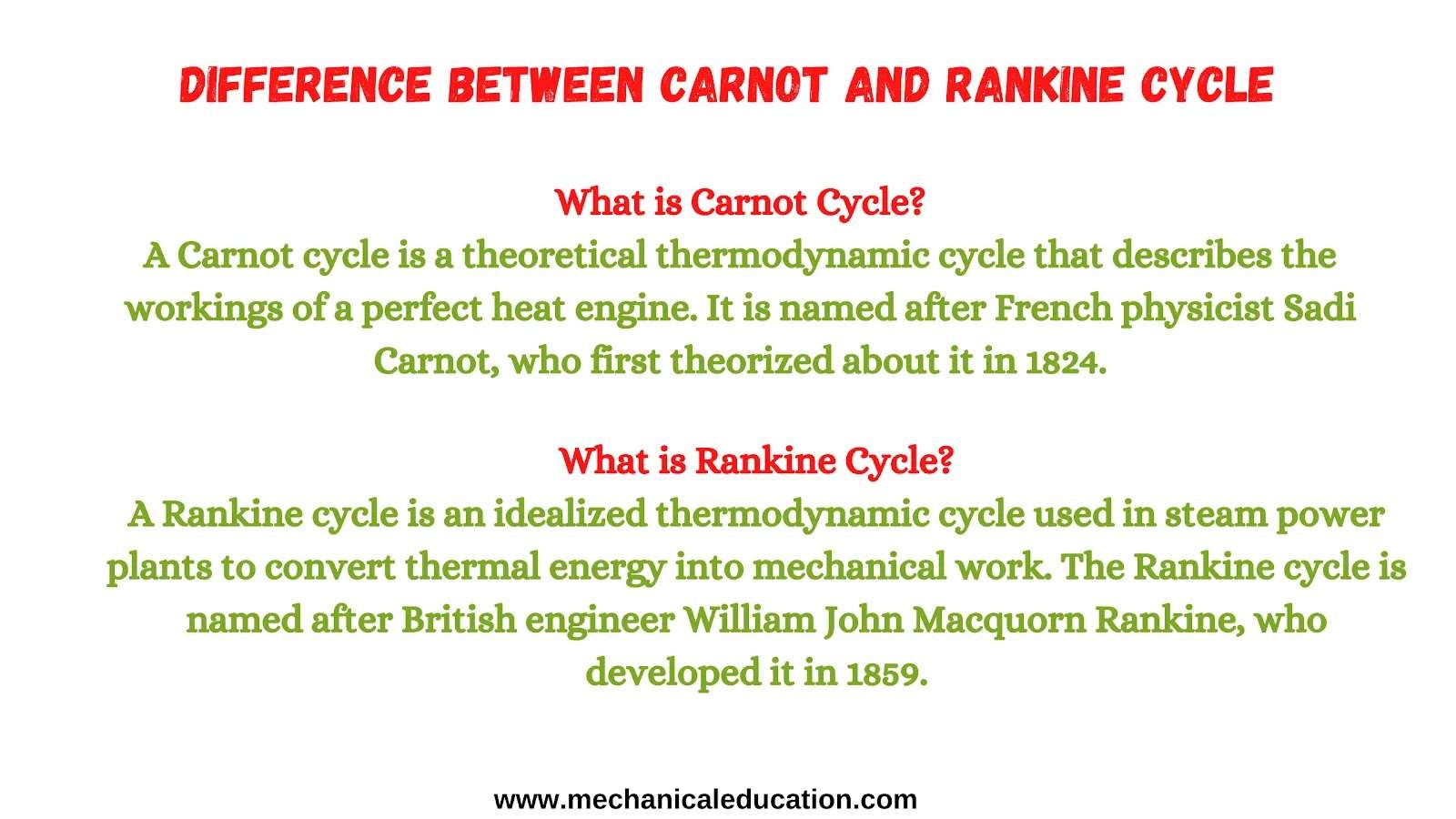
Difference Between Carnot and Rankine cycle What is Carnot Cycle? A Carnot cycle is a theoretical thermodynamic cycle that describes the workings of a perfect heat engine. It is named after French physicist Sadi Carnot, who first theorized about it in 1824. What is Rankine Cycle? A Rankine cycle is an idealized thermodynamic cycle used …
Difference Between Carnot and Rankine cycle Read More »

Difference between Watt and Proell Governor

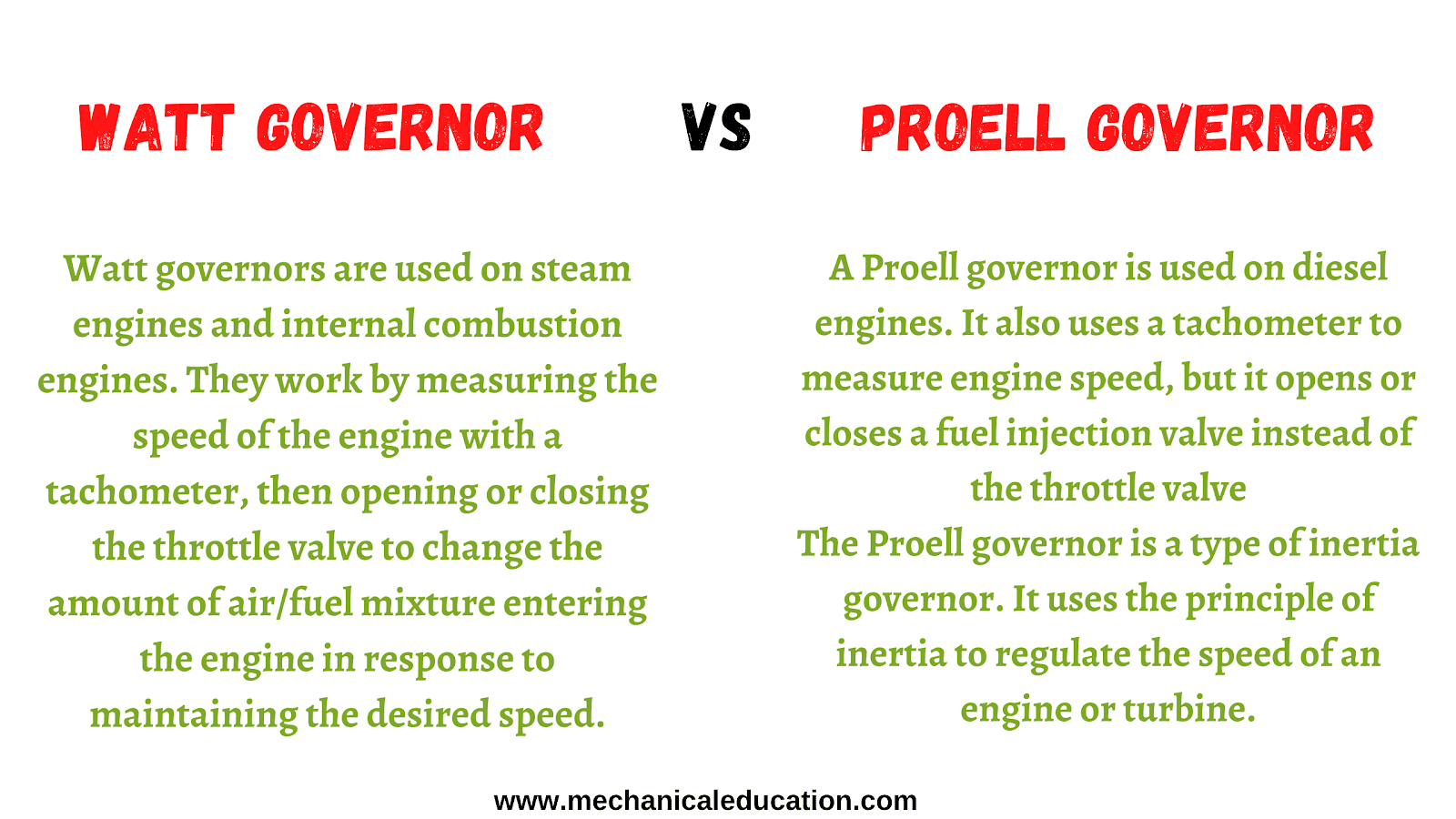
Difference between Watt Governor and Proell Governor :  Watt Governor: Watt Governors are used on steam engines and internal combustion engines. They work by measuring the speed of the engine with a tachometer, then opening or closing the throttle valve to change the amount of air/fuel mixture entering the engine in response to maintaining the …

Difference between Watt and Proell Governor Read More »

Difference between Manufacturing and Production

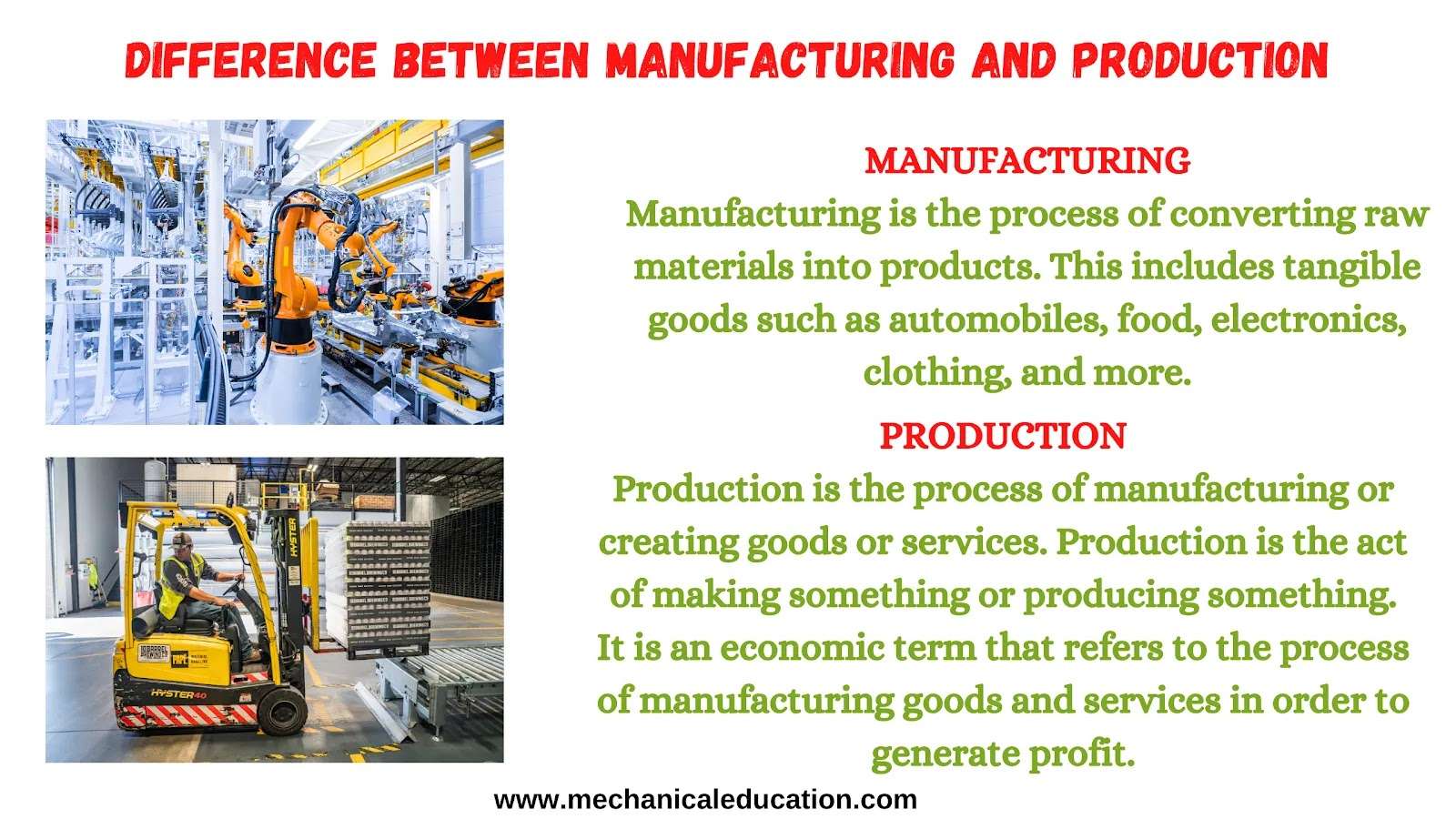
Difference between Manufacturing and Production What is Manufacturing? Manufacturing is the process of converting raw materials into products. This includes tangible goods such as automobiles, food, electronics, clothing, and more. This definition of manufacturing is often referred to as “making things”. What is Production? Production is the process of manufacturing or creating goods or services. Production …

Difference between Manufacturing and Production Read More »

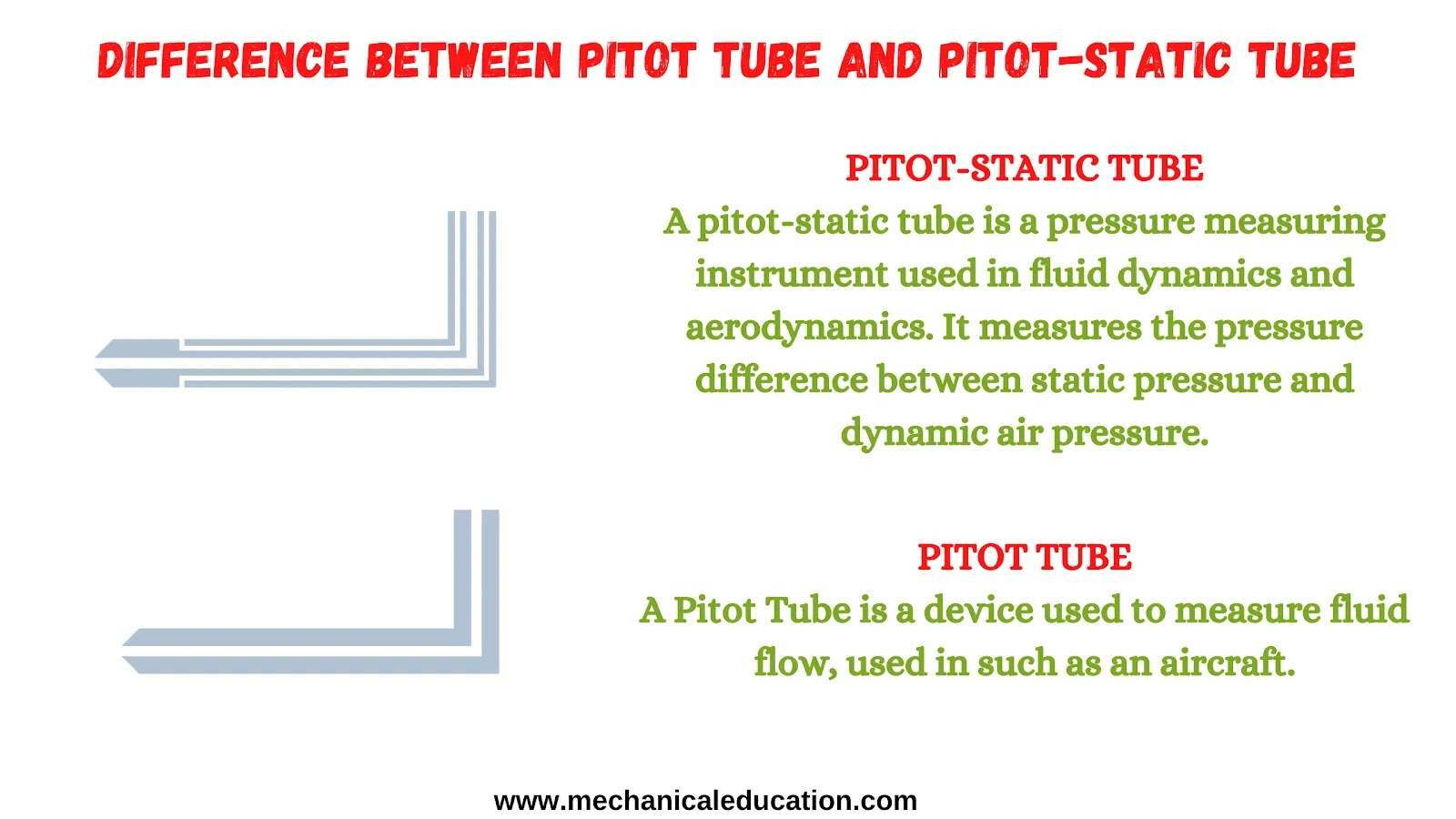
Difference Between Pitot Tube And Pitot-Static Tube

Difference Between Pitot Tube And Pitot-Static Tube What is Pitot-static tube? A Pitot-static tube is a pressure measuring instrument used in fluid dynamics and aerodynamics. It measures the pressure difference between static pressure and dynamic air pressure. What is Pitot tube? A Pitot Tube is a device used to measure fluid flow, used in such …

Difference Between Pitot Tube And Pitot-Static Tube Read More »

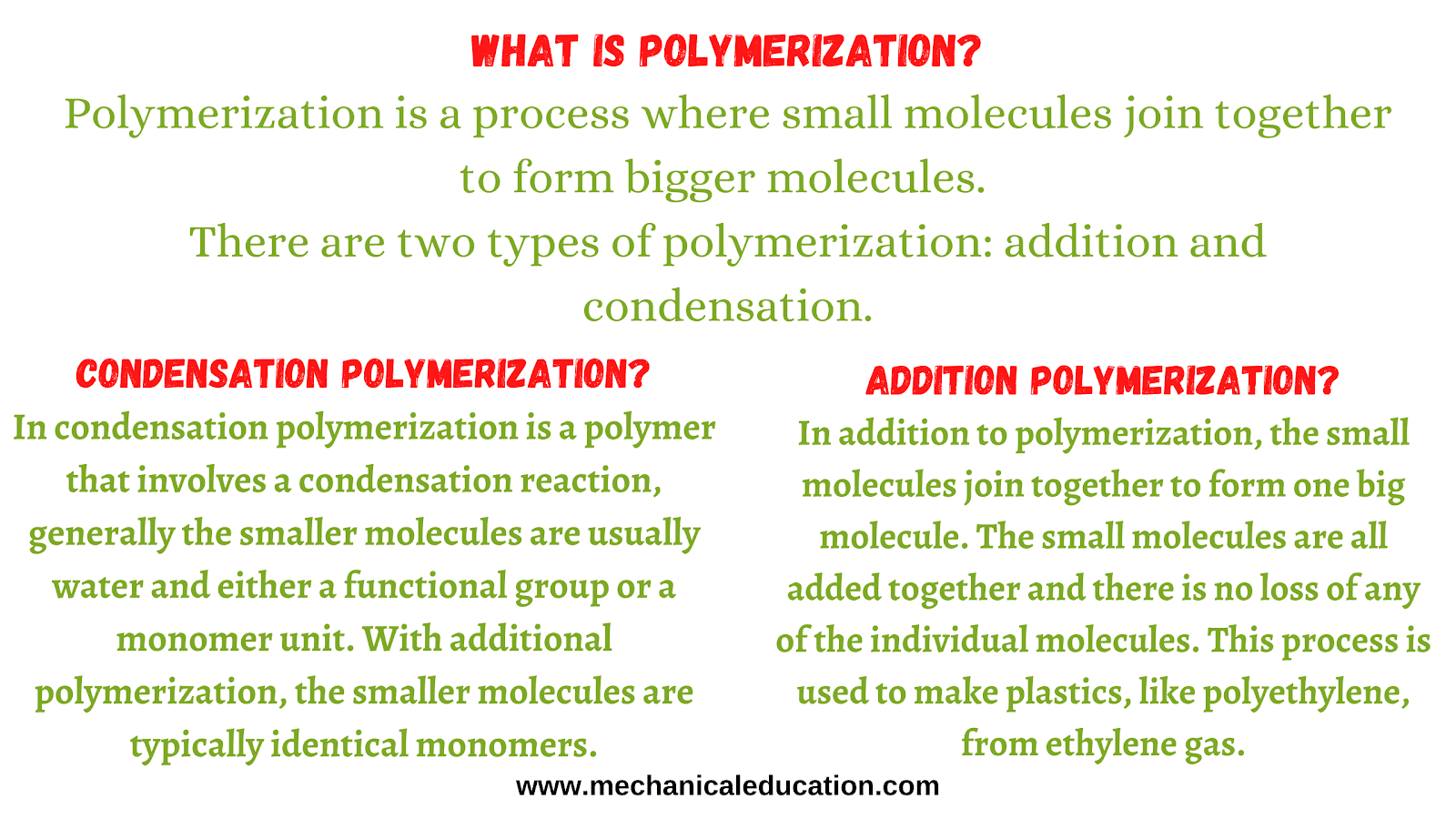
Difference between Addition Polymerization and Condensation Polymerization

Difference between Addition Polymerization and Condensation Polymerization? What is Polymerization? Polymerization is a process where small molecules join together to form bigger molecules. There are two types of polymerization: addition and condensation. Polymerization is a chemical process that yields chains of repetitive units called polymers. This process is used to create an entirely new product …

Difference between Addition Polymerization and Condensation Polymerization Read More »

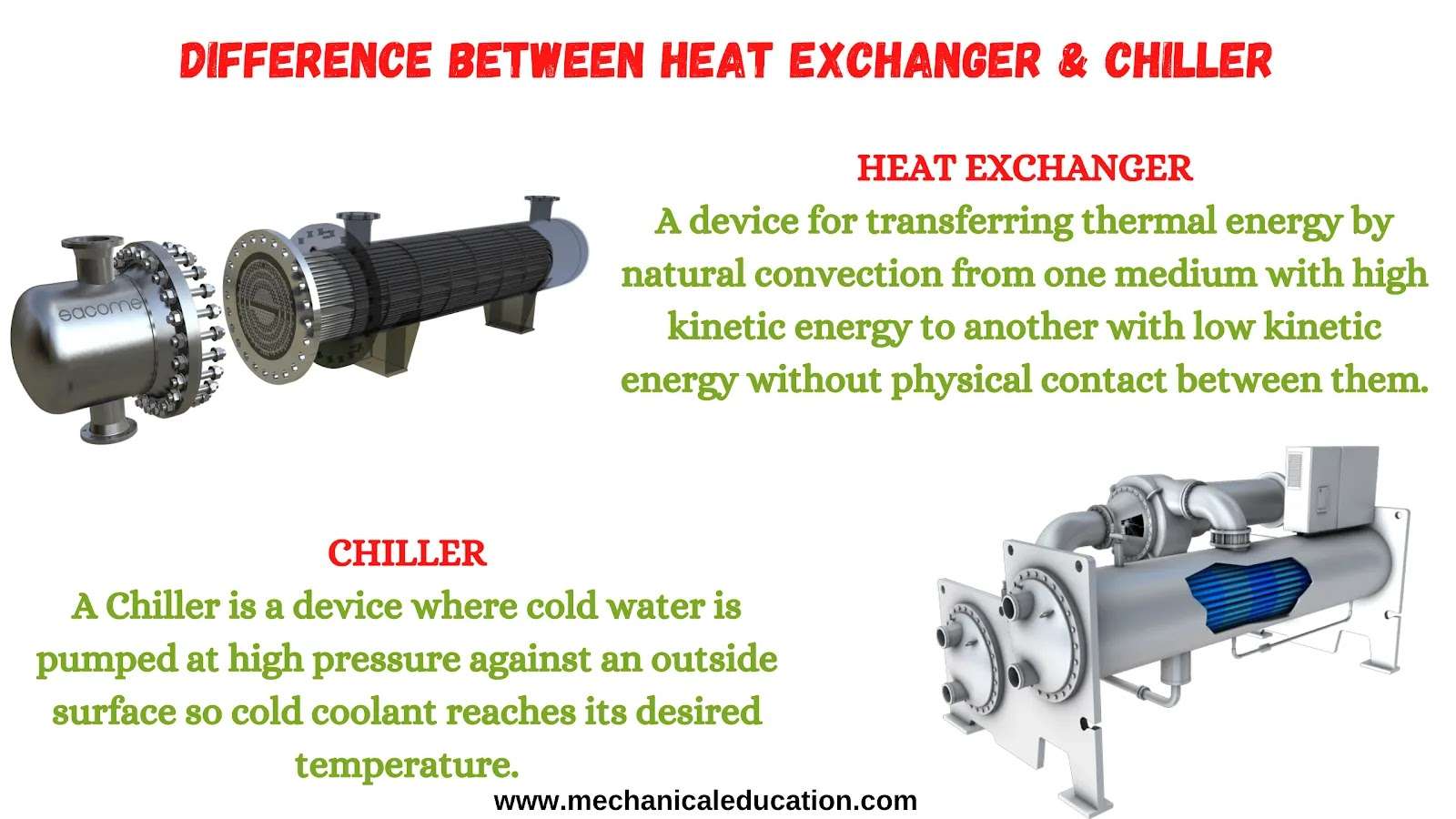
Difference between Heat Exchanger & Chiller

Difference between Heat Exchanger & Chiller What is Heat Exchanger? A device for transferring thermal energy by natural convection from one medium with high kinetic energy to another with low kinetic energy without physical contact between them. Heat exchanger heats cool fluids by transferring heat between fluid streams flowing at different temperatures. A heat exchanger …

Difference between Heat Exchanger & Chiller Read More »

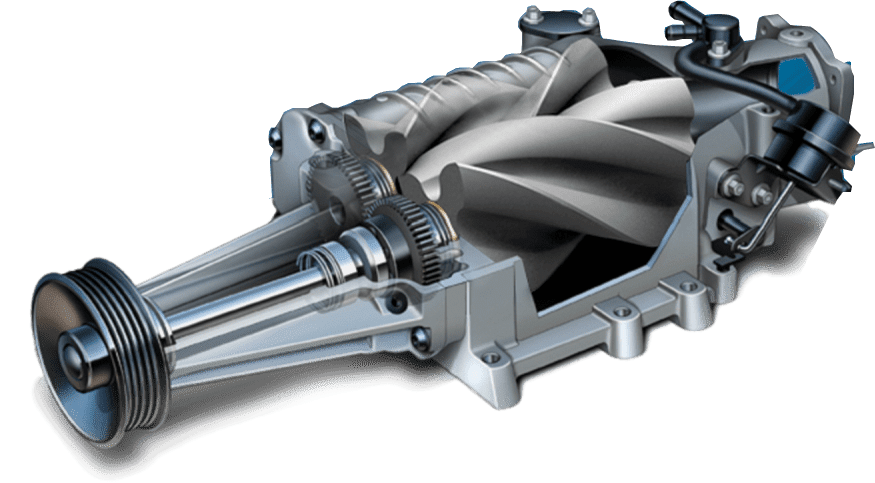
Supercharger – Advantages and Disadvantages

Supercharger – Advantages and Disadvantages What is a Supercharger? A supercharger is a device that increases the pressure of an engine’s intake of air by compressing it. This increases the power output of the engine and reduces its fuel consumption. Advantages of Supercharger: They are simpler and more reliable because they don’t have the complexities …

Supercharger – Advantages and Disadvantages Read More »

Advantages & Disadvantages of Cooling System in IC Engine

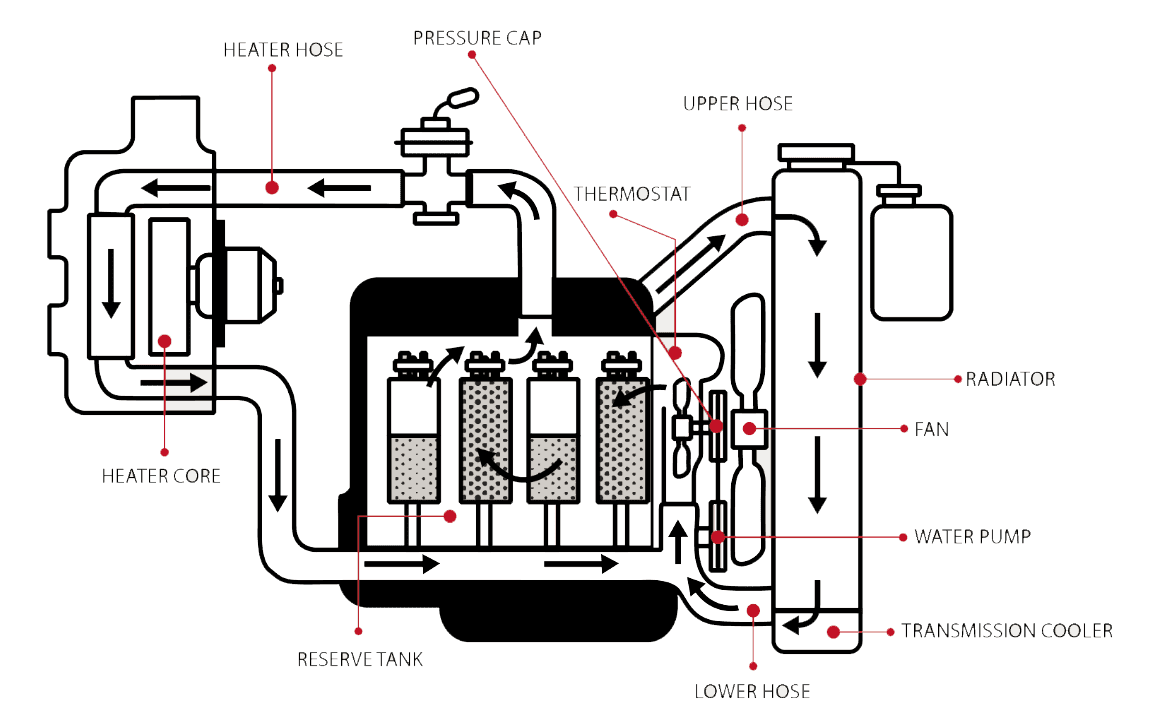
Advantages & Disadvantages of Cooling System in IC Engine What is Cooling system in IC Engine? Cooling System is one of the Important part in IC Engine which is to prevent overheating when the combustion takes place in the engine. cooling system makes the engine wok efficiently by maintaining the required temperature with out overheating …

Advantages & Disadvantages of Cooling System in IC Engine Read More »

Difference between MIG and TIG Welding – Mechanicaleducation.com

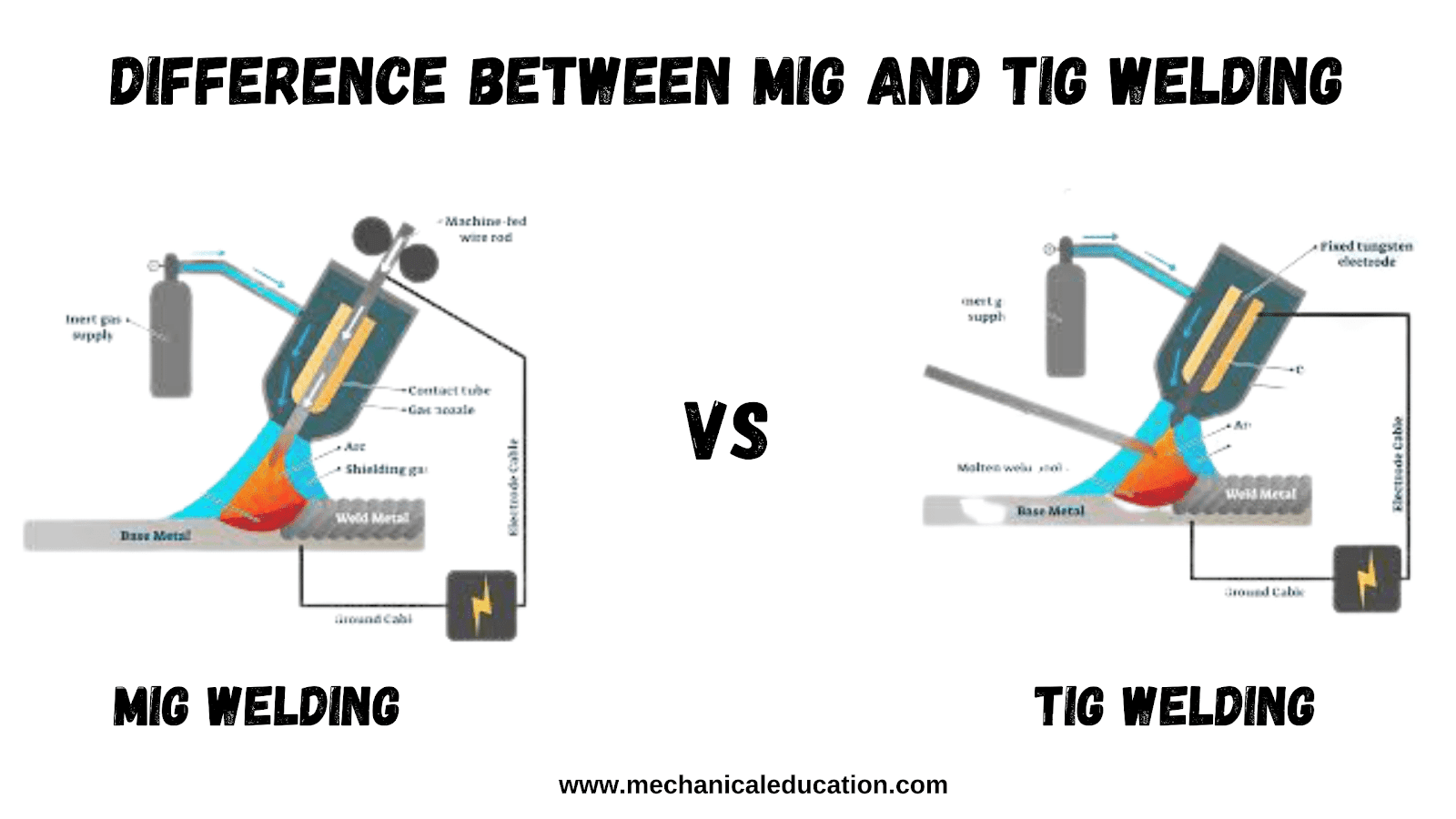
Difference between MIG and TIG welding: MIG Welding: MIG welding is a process that uses a continuous wire electrode to produce the weld. The wire is fed through the welding gun and into the weld puddle, where it melts and joins with the parent metal.  MIG Welding – MIG stands for metal inert gas which …

Difference between MIG and TIG Welding – Mechanicaleducation.com Read More »