Open die forging: Advantages and Disadvantages

Advantages and Disadvantages of Open die forging? What is Open die forging? Open die forging is a process of manufacturing forged products. In this process, the forged product is manufactured by using metal as raw material which has been melted and extruded through an open die. This method of manufacturing is preferred for producing large-sized …
Open die forging: Advantages and Disadvantages Read More »

Difference between Velocity Compounding Turbine and Pressure Compounding Turbine

Difference between Velocity Compounding Turbine and Pressure Compounding Turbine: Velocity Compounding Turbine: Velocity Compounding Turbine (VCT) on the other hand is an impulse turbine that takes advantage of the velocity energy released by the rotating blades to drive compressors.  Pressure Compounding Turbine: Pressure Compounding Turbine (PCT) is a kind of centrifugal compressor that has high …

Difference between Velocity Compounding Turbine and Pressure Compounding Turbine Read More »

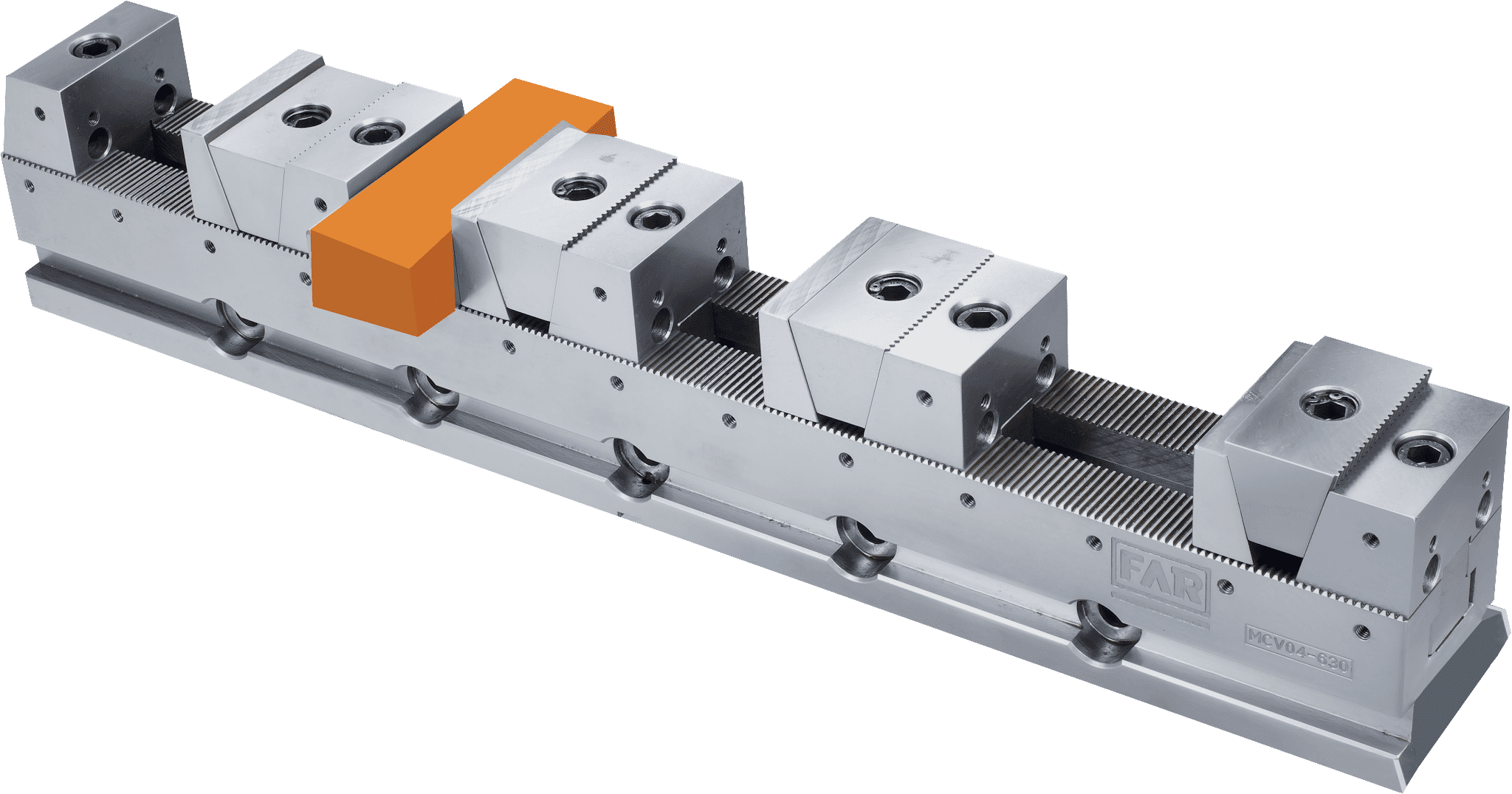
Clamping Devices: Rules and Types of Clamping Devices

Clamping Devices: Rules and Types of Clamping Devices: What is a Clamping Device? Clamping devices are generally used in the manufacturing industry. Clamping devices are used to hold parts together during the manufacturing process. It is a tool that holds parts and helps to make sure they stay fixed and do not move while they …

Clamping Devices: Rules and Types of Clamping Devices Read More »

Electron beam welding: Advantages and Disadvantages

Advantages and Disadvantages of Electron beam welding? Advantages Electron beam welding: It can produce a high surface finish. Work done by this machining is highly accurate. It can machine small diameter holes. High drilling rates are available. Less fumes are produced during welding. The higher melting point for some materials. Any material can be machined. It …

Electron beam welding: Advantages and Disadvantages Read More »

Galvanizing Advantages and Disadvantages

Advantages and Disadvantages of Galvanizing? Advantages of Galvanizing: It protects metal from rusting. Helps maintain the structural integrity of the vehicle. It Adds strength and rigidity.  It increases the life of the metal. Enhances durability by reducing stress on parts subjected to high-temperature environments or corrosive chemicals during manufacturing processes.  Galvanized steel is not affected …

Galvanizing Advantages and Disadvantages Read More »

Belt drive – Advantages and Disadvantages

Belt drive – Advantages and Disadvantages A belt drive is a common type of power transmission used in automobile transmissions and many other rotational transmissions systems from driving shafts to driven shafts. Advantages of Belt drive: Belt drive has Greater reliability. It has less maintenance compared to chain and shaft drives. Less noise compared to …

Belt drive – Advantages and Disadvantages Read More »

Galvanize – Types of Galvanizing, properties, Benefits of Galvanizing

Galvanize – Types of Galvanizing, properties, Benefits of Galvanizing: What is Galvanize? Galvanizing is a coating that protects metal against corrosion. It also can improve the corrosion resistance of the base metal by giving it a layer of zinc. The galvanized coating serves as an additional barrier between steel’s exposed surfaces of steel during exposure …

Galvanize – Types of Galvanizing, properties, Benefits of Galvanizing Read More »

Difference between Differential Pressure Flow Meter and Positive Displacement Flow Meter

Difference between Differential Pressure Flow Meter and Positive Displacement Flow Meter? The difference between differential pressure flow meter and positive displacement flow meter is that, the former measures the change in the head due to changes in fluid density or viscosity while the latter measures flow rate by measuring how much liquid flows through a …

Difference between Differential Pressure Flow Meter and Positive Displacement Flow Meter Read More »

What Is Tool Grinding? Types and Applications of Tool Grinding

Tool Grinding – Types and Applications of Tool Grinding What is Tool Grinding: Tool Grinding is the process of using a milling machine to remove material from one or more surfaces in order to create new surfaces that are similar but not identical. The tool used in the grinding process is called a grinder, cutter, …

What Is Tool Grinding? Types and Applications of Tool Grinding Read More »