Batch Production – Advantages and Disadvantages

Batch production – Advantages and Disadvantages What is Batch Production? Batch production is a method of manufacturing products where an item is produced in batches. This means that it will be manufactured in a set number of items and these items are then delivered to the customers or stores, depending on what type of product …
Batch Production – Advantages and Disadvantages Read More »

Difference between Synthetic Oil and Non Synthetic Oil

Difference between Synthetic Oil and Non Synthetic Oil Synthetic oils are made of 100% chemical compounds while non-synthetics contain some organic materials.  What is Synthetic oil? Synthetic oil is made from petroleum, a non-renewable resource. Synthetic oil does not break down and is used in the production of chemicals, fuel, lubricants, and other materials.  It …

Difference between Synthetic Oil and Non Synthetic Oil Read More »

Difference Between Knocking and Detonation – Mechanicaleducation.com

Difference Between Knocking and Detonation What is Knocking? Knocking is a process that takes place in the engine of your car when the air-fuel mixture in the cylinders is not burning evenly. This causes pressure and heat to build up until it’s finally released with a “knocking” noise. What is Detonation? Detonation occurs when the air-fuel …

Difference Between Knocking and Detonation – Mechanicaleducation.com Read More »

Difference Between Magnetic Pump & Centrifugal Pump

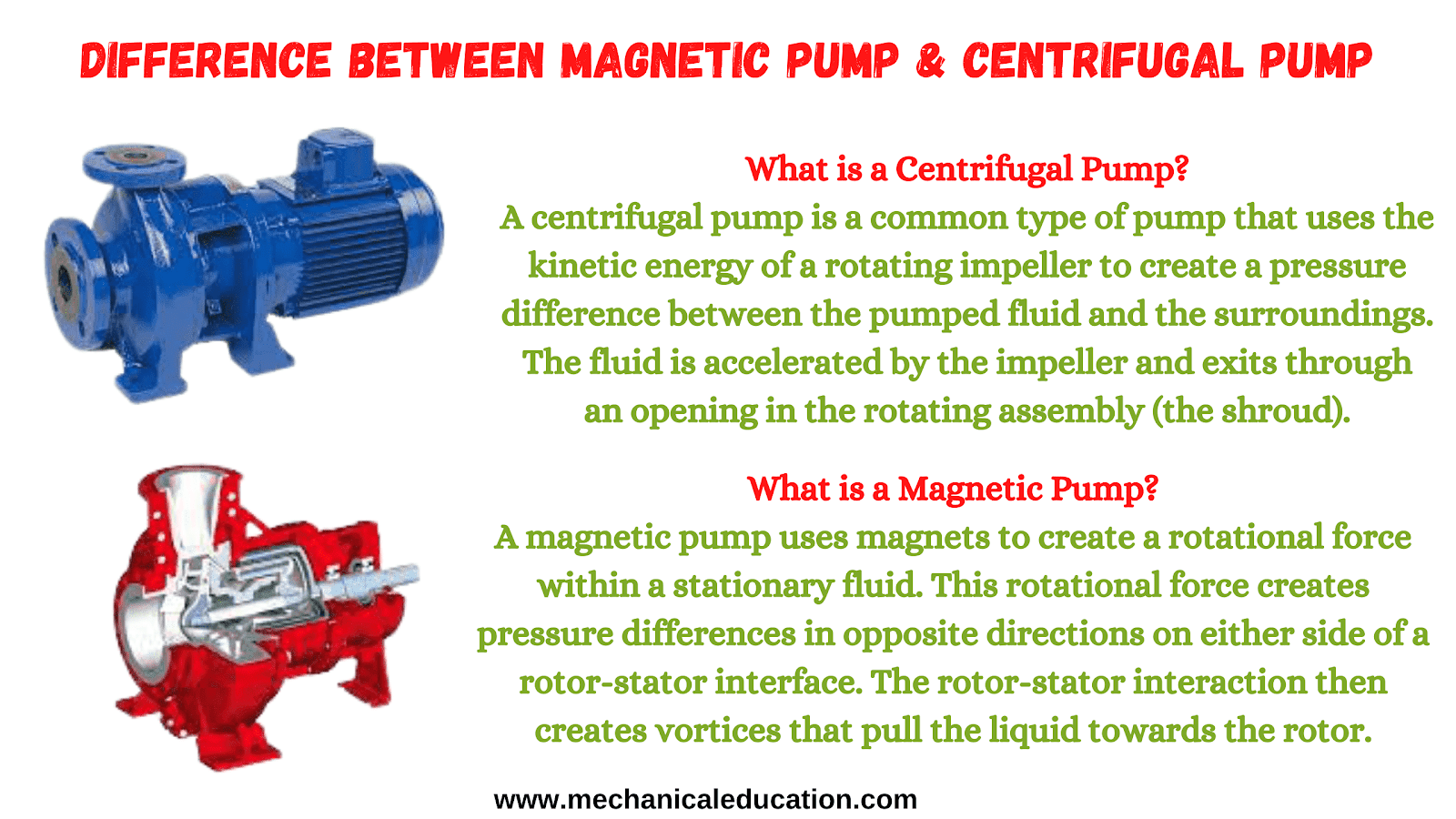
Difference Between Magnetic Pump & Centrifugal Pump What is a Centrifugal Pump? A centrifugal pump is a common type of pump that uses the kinetic energy of a rotating impeller to create a pressure difference between the pumped fluid and the surroundings. The fluid is accelerated by the impeller and exits through an opening in …

Difference Between Magnetic Pump & Centrifugal Pump Read More »

Difference Between Gas Turbine and Steam Turbines

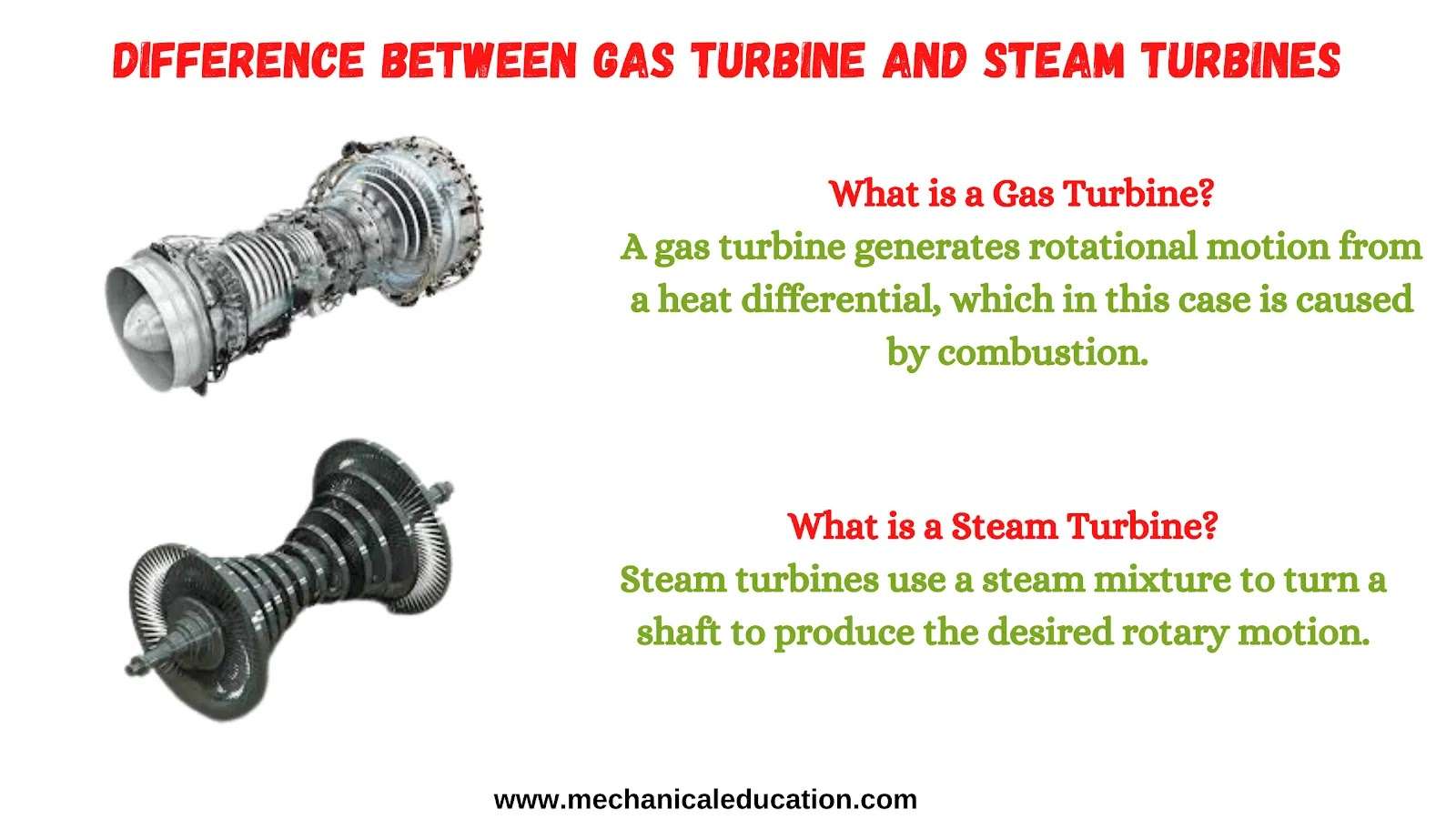
Difference Between Gas Turbine and Steam Turbines What is a Gas Turbine? A gas turbine generates rotational motion from a heat differential, which in this case is caused by combustion.  What is a Steam Turbine? Steam turbines use a steam mixture to turn a shaft to produce the desired rotary motion. The primary similarity between …

Difference Between Gas Turbine and Steam Turbines Read More »

Front-wheel drive – Advantages and Disadvantages

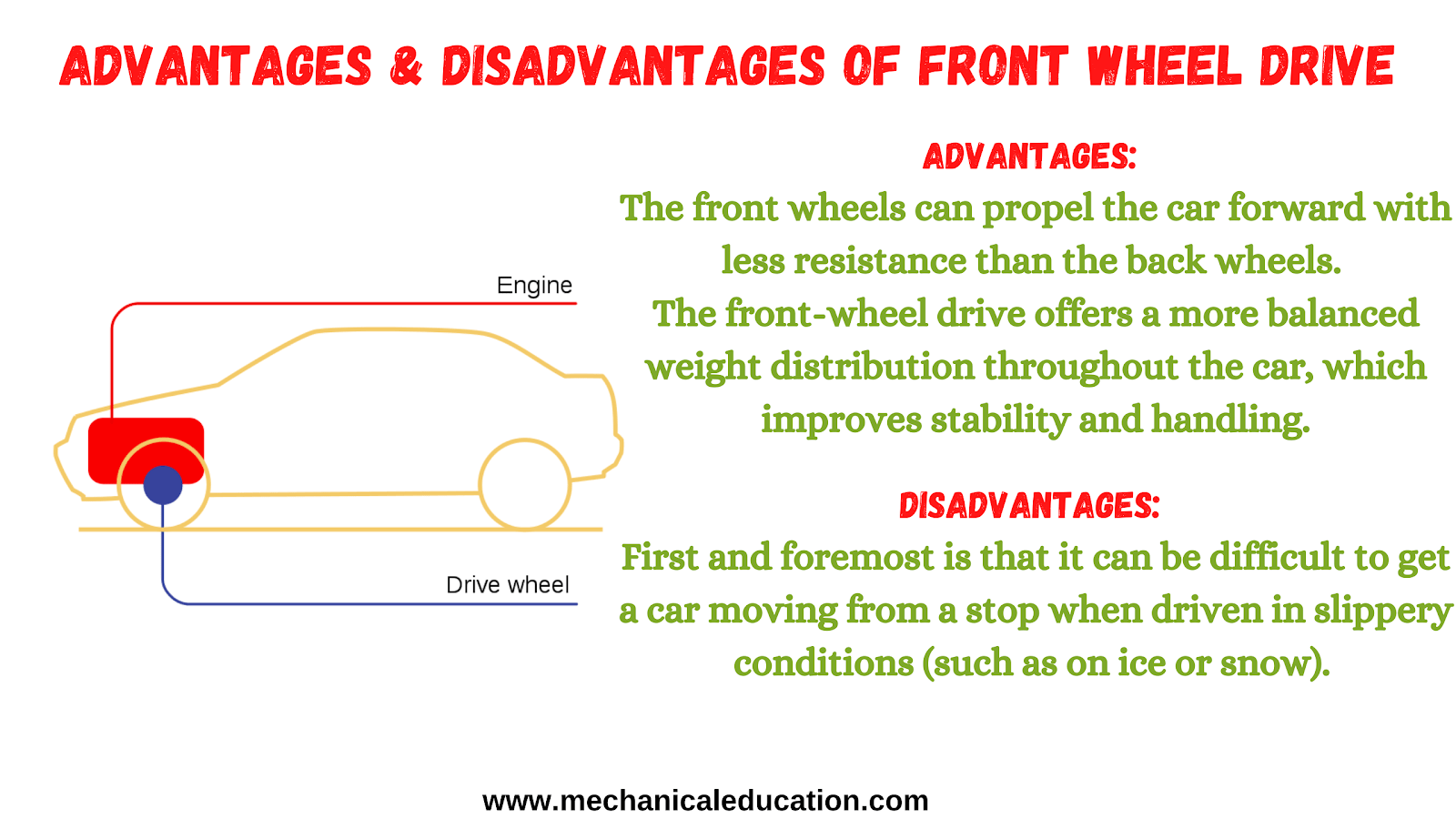
Front-wheel drive – Advantages and Disadvantages What is a Front Wheel Drive? A front-wheel drive is a type of powertrain layout where the engine and gearbox are located at the front of the vehicle, driving the front wheels. Advantages of Front-wheel drive: The front wheels can propel the car forward with less resistance than the …

Front-wheel drive – Advantages and Disadvantages Read More »

Difference between Conductors and Insulators

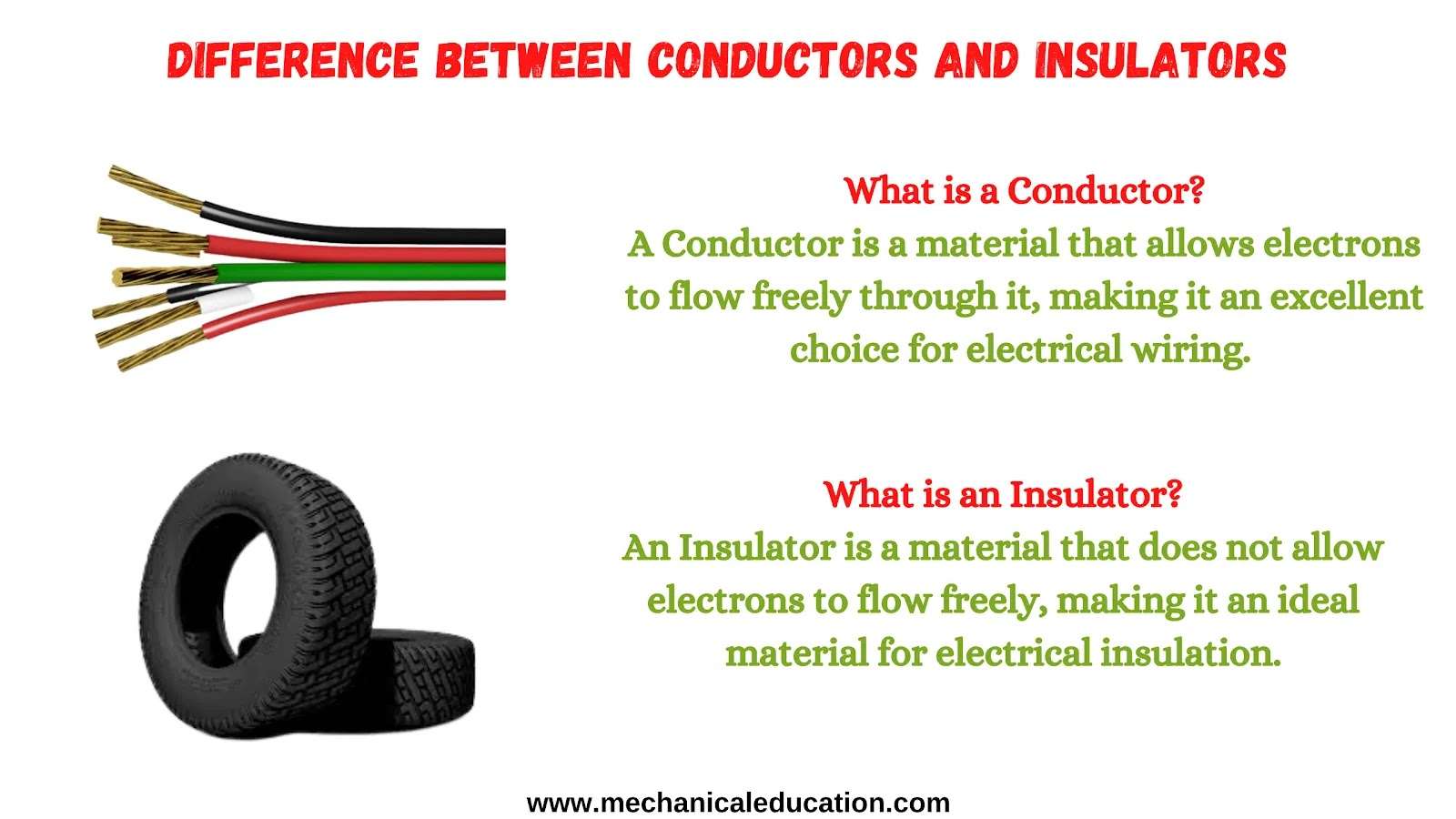
Difference between Conductors and Insulators What is a Conductor? A Conductor is a material that allows electrons to flow freely through it, making it an excellent choice for electrical wiring.  What is an Insulator? An Insulator is a material that does not allow electrons to flow freely, making it an ideal material for electrical insulation. …

Difference between Conductors and Insulators Read More »

Nitrogen Filled Tires – Advantages & Disadvantages

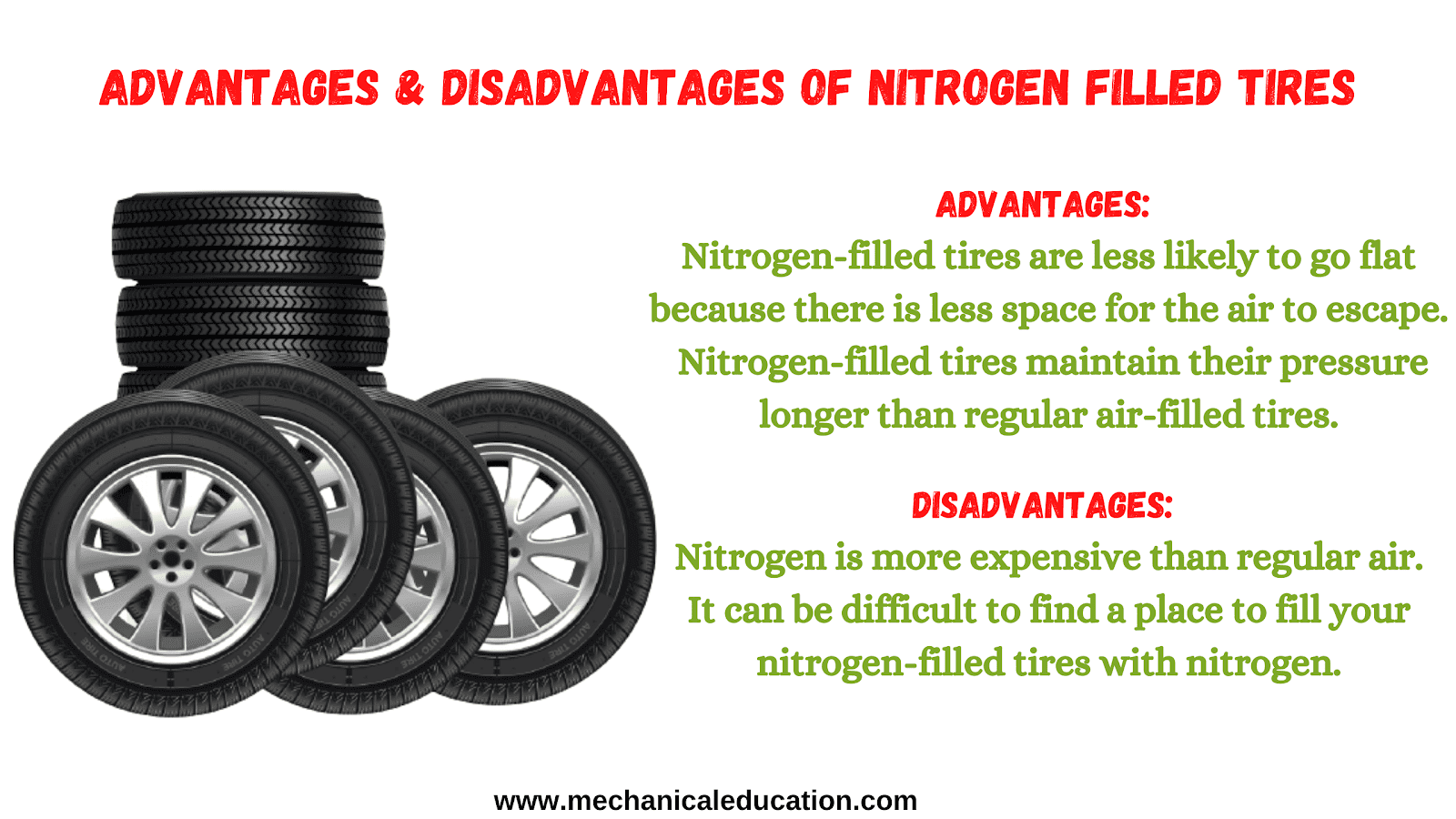
What are the Advantages & Disadvantages of Nitrogen Filled Tires? Advantages of Nitrogen Filled Tires: Nitrogen-filled tires are less likely to go flat because there is less space for the air to escape.  Nitrogen-filled tires maintain their pressure longer than regular air-filled tires. Nitrogen-filled tires provide a more comfortable ride because they create less heat …

Nitrogen Filled Tires – Advantages & Disadvantages Read More »